Difference Between Chimney Cleaning and Chimney Inspection
Chimney cleaning removes soot and creosote while chimney inspection evaluates condition and finds damage. Learn what each service covers and which one you need.




Based on 500+ Reviews

Proudly American
Owned & Operated

Chimney cleaning and chimney inspection are two important parts of chimney maintenance, but they serve different purposes. Chimney cleaning focuses on removing soot, creosote, ash, and debris from inside the chimney, while chimney inspection focuses on evaluating the condition of the chimney system and identifying potential problems. Many homeowners confuse these services because they are often performed together. However, cleaning does not replace an inspection, and an inspection does not remove buildup from the chimney.
Understanding the difference between chimney cleaning and chimney inspection helps homeowners know which service they need and when each one is necessary.
Chimney cleaning is the process of removing unwanted materials that collect inside the chimney over time. During fireplace use, smoke and combustion particles travel through the chimney. These particles can stick to the inside walls of the flue and create buildup.
Common materials removed during chimney cleaning include:
The main goal of chimney cleaning is to keep the chimney passage clear and improve airflow.
A typical chimney cleaning service may include:
Before cleaning begins, the area around the fireplace is protected.
This may involve:
Specialized brushes and tools are used to remove deposits from inside the chimney.
The cleaning process removes:
The chimney is checked for materials that may block airflow.
Common blockages include:
After cleaning, collected debris is removed from the fireplace and surrounding area.
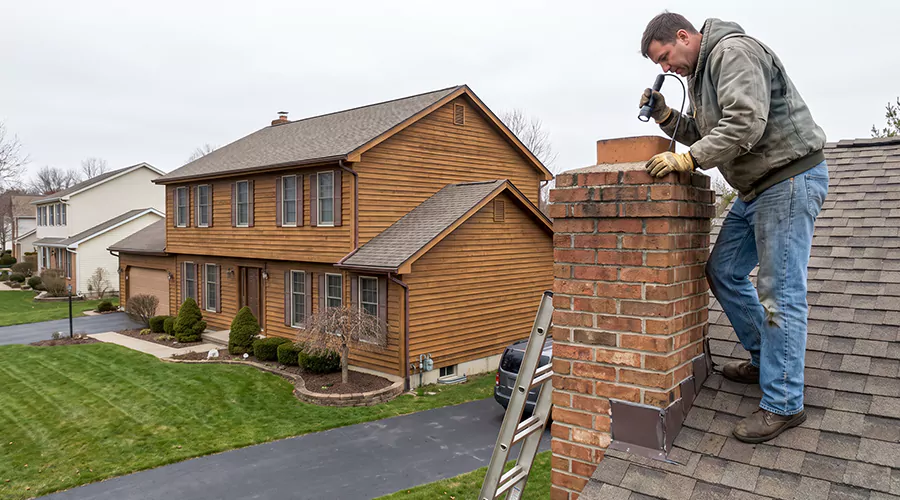
A chimney inspection is an evaluation of the entire chimney system to determine its condition and identify problems. Unlike cleaning, an inspection does not focus on removing buildup. Instead, it examines different components to check whether they are working properly.
A chimney inspection may evaluate:
The goal of an inspection is to find damage, safety concerns, and maintenance needs.
A chimney inspection usually includes checking different parts of the chimney system.
The inspector examines the fireplace area for:
The damper is checked to confirm that it:
The flue is inspected for:
A camera may be used during more detailed inspections.
The outside chimney structure is checked for:
| Feature | Chimney Cleaning | Chimney Inspection |
|---|---|---|
| Main purpose | Remove buildup and debris | Evaluate chimney condition |
| Removes soot and creosote | Yes | No |
| Checks for damage | Limited | Yes |
| Examines flue condition | Limited | Yes |
| Checks structural issues | No | Yes |
| Uses cleaning tools | Yes | Sometimes |
| Uses camera equipment | Usually no | Sometimes |
| Helps identify repairs | Limited | Yes |
Chimney cleaning is important because buildup inside the chimney can affect performance.
Cleaning may be needed when:
Regular cleaning helps maintain proper airflow and fireplace operation.
A chimney inspection helps identify problems that may not be visible.
An inspection may be recommended when:
Inspections help detect issues before they become larger repair problems.
Yes. A chimney may need an inspection even if cleaning is not required.
For example, when purchasing a home, a homeowner may need to know the condition of the chimney before using it.
The inspection may reveal that:
Yes, but cleaning alone may not reveal hidden problems.
Cleaning removes deposits but may not identify:
An inspection provides information about the overall condition of the chimney system.
In many cases, combining both services is beneficial. A cleaning removes buildup, while an inspection checks whether the chimney is safe and functioning properly.
Combining services can help identify:
| Problem | Possible Solution |
|---|---|
| Creosote buildup | Chimney cleaning |
| Cracked flue | Flue repair |
| Damaged cap | Cap repair or replacement |
| Water leaks | Flashing or crown repair |
| Masonry damage | Chimney repair |
The schedule depends on:
Many chimney systems should be inspected regularly, while cleaning is performed when buildup reaches a level that requires removal. Wood-burning fireplaces often require more frequent cleaning because they produce soot and creosote.
Costs vary depending on chimney size, condition, and service requirements.
| Service | Typical Cost Range |
|---|---|
| Chimney cleaning | $150–$400 |
| Basic chimney inspection | $100–$250 |
| Detailed inspection with camera | $200–$500 |
The final cost depends on the complexity of the chimney system and whether additional issues are discovered.
The right service depends on the situation.
If you are unsure, an inspection can help determine whether cleaning or repairs are needed.
Chimney cleaning and chimney inspection are both important but serve different purposes. Cleaning removes soot, creosote, and debris that collect inside the chimney, while inspection evaluates the condition of the chimney system and identifies possible damage. A clean chimney does not always mean it is problem-free, and an inspection does not remove buildup. For complete chimney maintenance, homeowners often need both services at the appropriate time.
Regular cleaning and inspections help maintain proper fireplace performance, identify problems early, and keep the chimney system in better condition.
No. Cleaning removes buildup, while inspection checks the condition of the chimney system.
It depends on the situation. A detailed inspection may be recommended if damage or concerns are suspected.
Yes. An inspection can identify buildup levels, but it does not remove them.
Cleaning frequency depends on fireplace use, fuel type, and buildup levels.
Yes. A chimney inspection can identify hidden problems before purchasing a property.
No. Cleaning removes deposits, but issues such as cracks, leaks, and structural damage require repairs.
Chimney cleaning removes soot and creosote while chimney inspection evaluates condition and finds damage. Learn what each service covers and which one you need.
